Resources
At Elmwood, we know that searching for care can feel emotional, urgent, and sometimes overwhelming, especially when you’re trying to do the right thing for someone you love. This page is designed to help you find the right information quickly, whether you’re just starting to explore options, preparing for a move, or supporting a relative living with dementia.
If you’d like to talk anything through, you can contact our team to ask questions or arrange a visit.
In an emergency: call 999. For urgent medical advice when it’s not an emergency, call 111.
Find the Right Information Fast
Choose the situation that best matches where you are right now:
- “We’re considering a care home, but don’t know where to start.
→ Go to Choosing & moving into a care home - “We need to arrange care soon.”
→ Go to Choosing & moving into a care home (see What to ask on a visit) - “My relative has dementia (or we suspect dementia).”
→ Go to Dealing with dementia - “I’m supporting someone and I’m exhausted / worried / not sure what’s normal.”
→ Go to Dealing with dementia & Useful links/resources - “I’m a family member and I have practical questions.”
→ Go to FAQs for families - “I need trustworthy organisations, not random Google results.”
→ Go to Useful links/resources
Choosing & Moving into a Care Home
1) Before you decide, what kind of support is needed?
Many families start by asking, “Do we need a care home?” A more helpful question is:
“What support does my relative need day-to-day, and what would help them feel safe, comfortable and cared for?”
You might be considering care because of:
- Falls risk, mobility changes, or safety concerns at home
- Medication support needs
- Nutrition/weight loss, dehydration, or struggling to cook
- Loneliness, anxiety, or reduced confidence
- Increasing memory issues, confusion, or “wandering”
- Carer strain (you’re doing more and more, with less support)
The right next step is usually one (or more) of the following:
- A care needs assessment (what support is needed)
- A financial assessment (how care may be funded)
- A visit to one or two homes to compare environment, culture and “feel”
In Devon, adult social care assessments are handled by Devon County Council, and you can also use their advice and support pages to understand your options.
2) How to choose a care home with confidence
A good approach is to combine:
- Your relative’s needs and preferences
- Your family’s practical needs (location, visiting, budget)
- Independent quality checks
In England, the Care Quality Commission looks at five key areas when inspecting services: whether they are safe, effective, caring, responsive, and well-led.
Helpful actions when researching homes:
- Read the latest inspection report and note strengths/areas to improve
- Visit at least once (ideally twice, at different times)
- Ask how the home supports changing needs over time
A practical “starter checklist” can be useful if you’re feeling overwhelmed. Care UK offers a helpful guide and downloadable checklist for choosing a care home.
3) Questions to ask when you visit
Care & daily life
- How is a new resident assessed and supported in the first few weeks?
- How do you create and review care plans (and how are families involved)?
- What does a typical day look like?
Staffing & support
- Who is responsible for day-to-day clinical oversight (if relevant)?
- How are preferences, routines, faith/culture, and personal history supported?
- What training do staff receive?
Food, comfort & dignity
- How do you support appetite changes, hydration, and special diets?
- Can residents personalise their room?
- How do you support privacy and independence?
Safety & wellbeing
- How do you manage falls risk and medication safety?
- How do you support emotional wellbeing and loneliness?
What’s the approach to end-of-life care and family support?
4) Understanding costs, funding and assessments
Funding can feel complicated because there are different routes depending on needs and finances.
Common pathways include:
- Self-funding (paying privately)
- Local authority funding (after needs & financial assessment)
- NHS Continuing Healthcare (CHC) (if the person has a “primary health need”)
- Benefits support, such as Attendance Allowance (eligibility depends on circumstances)
Useful starting points:
- Age UK explains care home costs, council assessments and how fees can vary.
- For “top-up” fees (when a preferred home costs more than the council rate), Age UK has a clear guide.
- The NHS explains CHC, including how eligibility decisions and assessments typically work.
- Devon County Council outlines how to request/support a needs assessment locally.
If you want a simple overview of funding routes, Care UK’s guide to funding options is also a helpful read.
5) Moving in: making the transition easier
Moving into a care home is a big change for anyone.
What often helps most:
- Familiar items (photos, favourite blanket, small keepsakes)
- A simple, consistent routine at first
- A “getting to know me” summary (likes/dislikes, life story, what calms anxiety, how they prefer to communicate)
- Regular early check-ins with family and key staff
Care UK provides a practical checklist for moving in, including what to bring and how to help someone settle.
Dealing with Dementia
Dementia affects every person differently, and it affects families too. It’s normal to feel grief, worry, or guilt alongside love and determination.
1) Understanding dementia
A good starting point is Alzheimer's Society, which provides comprehensive UK guidance on:
- Understanding different types of dementia
- What to expect as dementia progresses
- Emotional support and practical advice for families
The NHS also provides an accessible overview of symptoms, diagnosis and next steps.
2) Supporting someone day-to-day
Dementia support is often about reducing distress and increasing reassurance.
Common best practices include:
- Keeping communication calm and simple
- Allowing extra time to respond
- Maintaining familiar routines where possible
- Looking for the emotion behind the words (fear, confusion, embarrassment)
Alzheimer’s Society has practical guidance on supporting someone and responding to changes in behaviour.
They also offer specific communication tips that many families find immediately useful. Click here and here.
3) Looking after yourself as a family member or carer
Many carers push through until they’re running on empty and then feel guilty for struggling.
You deserve support too. Alzheimer’s Society has guidance on carer wellbeing and coping emotionally.
For specialist dementia nursing support, Dementia UK provides the Admiral Nurse Dementia Helpline (expert advice and reassurance for families).
And for broader “carer” advice (benefits, assessments, practical support), Carers UK is an excellent resource.
Locally, Devon Carers offers free support for unpaid carers (including registration and signposting).
4) Planning ahead
When someone has dementia, planning early can reduce stress later.
Common next steps families consider:
- Lasting Power of Attorney (LPA) for health & welfare / finance decisions
- Reviewing wills, benefits, and funding routes
- Recording preferences (routines, likes/dislikes, what comforts them)
- Talking about wishes for future care, when the time feels right
For practical benefits guidance, Citizens Advice is a reliable starting point (including help with Attendance Allowance and how to claim).
FAQs for Families
At Elmwood, we believe moving into residential care is the start of a partnership, not the end of your involvement. We encourage families to remain as involved as they wish in their loved one's life.
You are welcome to visit whenever it suits you, join us for meals or special events, attend our regular Residents' and Families' Meetings, and take part in celebrations throughout the year. We also host seasonal events, entertainment, and community activities that families are warmly invited to enjoy alongside residents.
Our management team and care staff are always happy to discuss your relative's care, answer any questions, and keep you informed of any significant changes. We know that every family is different, so we will work with you to find the right level of communication and involvement.
At Elmwood, we do not just care for residents—we build lasting relationships with their families too.
Yes. We actively encourage residents to personalise their rooms to help them feel comfortable and at home.
You're welcome to bring photographs, pictures, ornaments, favourite blankets, cushions, and other treasured belongings. Subject to available space and safety considerations, many residents also choose to bring small items of furniture, such as a favourite chair, bedside cabinet, or chest of drawers, helping to create a familiar and reassuring environment.
Before any furniture is brought into the home, we will simply check that it is suitable for the room, can be cleaned effectively, and does not present any health and safety risks.
Our team will be happy to discuss what you would like to bring before moving day, so together we can create a room that feels as much like home as possible.
Every resident at Elmwood receives a personalised care plan that is built around their individual needs, preferences, routines, and life history.
Before moving in, we gather information from the resident, their family (where appropriate), healthcare professionals, and any existing care records. This helps us understand not only the support someone needs, but also what matters most to them as an individual.
Once a resident has settled into Elmwood, we continue to get to know them and refine their care plan as we learn more about their preferences, interests, and daily routines. Our care plans are held securely on our digital care system, allowing staff to record updates in real time and ensuring the latest information is always available.
Care plans are formally reviewed on a regular basis and whenever a resident's needs change, following a hospital stay, illness, fall or another significant event. Families are encouraged to contribute to reviews wherever appropriate, helping us ensure the care we provide remains truly person-centred.
Our aim is simple: to make sure every resident receives care that reflects who they are, not just the support they need
At Elmwood, we believe that every resident should be supported to live as independently as possible while always being treated with dignity, kindness, and respect.
We take time to understand each person's abilities, preferences, and routines, encouraging them to do as much for themselves as they comfortably and safely can. Whether it is choosing what to wear, deciding how to spend the day, helping with their own personal care, or maintaining favourite hobbies, we focus on what people can do rather than what they need help with.
Our team always promotes privacy, choice, and individual preferences. We knock before entering bedrooms, explain what we are doing, seek consent wherever possible, and respect each resident's wishes and personal routines.
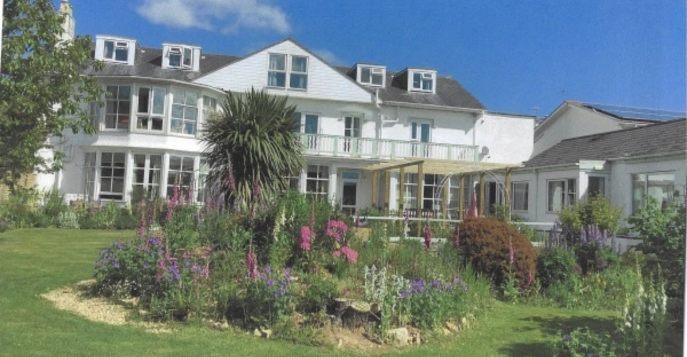
We also recognise that independence looks different for everyone. For some residents, it may mean walking to the dining room with support; for others, it may be making decisions about their care or enjoying time in our gardens with family. Whatever that looks like, our role is to provide the right level of support so residents can continue to live fulfilling, meaningful lives.
At Elmwood, dignity is not just about the care we provide—it is about ensuring every resident feels valued, listened to and at home
It is not uncommon for people living with dementia to find visits confusing or emotional, particularly as their condition progresses. Every resident experiences dementia differently, and we will work closely with you to find what works best for your loved one.
Our team will take the time to understand how your relative responds to visits, including the best times of day, the length of visits they find comfortable, and any approaches that help them feel calm and reassured. Sometimes a shorter visit, a quiet walk in the garden, or sharing a cup of tea together can be more meaningful than a longer visit.
If a visit appears to cause distress, we will always discuss this with you sensitively and never make decisions without involving you. Together, we can explore different ways of maintaining your relationship, whether that is changing the timing of visits, joining in with activities, looking through photographs, listening to favourite music, or simply spending quiet time together.
At Elmwood, we understand that dementia affects the whole family, not just the person living with the condition. Our aim is to support both residents and their loved ones with compassion, guidance and understanding, helping every visit become as positive and meaningful as possible.
At Elmwood, we understand that care needs can change, sometimes gradually and sometimes quite suddenly. Our role is to adapt the care we provide so that every resident continues to receive the right support at the right time.
Our experienced team monitors each resident's health and wellbeing every day, and any changes are reflected in their personalised care plan. We work closely with GPs, community nurses, physiotherapists, occupational therapists, and other healthcare professionals to ensure residents receive the specialist support they need.
If your loved one's needs increase, we will discuss this with you, review their care plan, and make any necessary adjustments. This may include changes to personal care, mobility support, nutrition, medication, or specialist equipment. Families are kept informed throughout the process and are encouraged to be involved in care planning wherever appropriate.
Should a resident's needs become more complex than we are able to safely meet within a residential care setting, we will always be open and honest with you. We will work alongside health and social care professionals to help identify the most appropriate next steps and support you through any transition.
Our aim is to provide continuity, reassurance, and personalised care, helping residents remain at Elmwood for as long as it is safe and appropriate to do so.
Medication safety is one of our highest priorities at Elmwood. All medications are managed by our trained Senior Care Team using a secure electronic medication administration system (eMAR), helping to ensure medicines are administered safely, accurately and at the correct times.
Before a resident moves in, we work with their GP, pharmacy, and any hospital teams to ensure an accurate medication record is in place. Every medication is checked on admission and reviewed regularly, particularly following any hospital stay or change in health.
Our Senior Care Team complete regular competency assessments and follow robust procedures for administering, recording, and auditing medications. We also work closely with local GPs, pharmacists, and community healthcare professionals to review medications whenever appropriate, ensuring treatment remains safe and effective.
Where residents are able and assessed as safe to do so, we can support them to maintain independence with their medication. For those who require full support, our team will administer medicines discreetly, respectfully and in line with their individual care plan.
At Elmwood, medication management is about more than giving tablets—it is about ensuring every resident receives the right medication, at the right time, in the safest possible way, while promoting their wellbeing and independence wherever possible.
Yes. At Elmwood, we can support a wide range of dietary requirements, whether they relate to medical conditions, cultural or religious preferences, allergies, personal choice, or swallowing difficulties.
Our kitchen team prepares fresh, home-cooked meals each day and works closely with our care staff to ensure every resident receives meals that are both nutritious and enjoyable. We can cater for vegetarian, vegan, diabetic, gluten-free, fortified, and other specialist diets, as well as individual likes and dislikes wherever possible.
For residents with swallowing difficulties (dysphagia), we follow guidance from Speech and Language Therapists (SALT) and prepare food and drinks to the recommended IDDSI texture and fluid levels. Our staff receive training in supporting residents with dysphagia, and we continually monitor residents for any changes in their swallowing ability, referring back to healthcare professionals whenever required.
Mealtimes are an important part of life at Elmwood. We aim to make them relaxed, sociable, and enjoyable, while ensuring every resident receives the support they need to eat and drink safely and with dignity.
If your loved one has specific dietary requirements before they move in, we will discuss these with you during the assessment process to ensure we can meet their individual needs from day one.
Absolutely. We understand that moving a loved one into residential care is a significant step, and it is natural to have questions or concerns along the way.
If you are ever worried about your relative's health, wellbeing, or care, we encourage you to speak to us as soon as possible. Our Care Team, Senior Care Team and Management Team are always happy to listen, answer your questions and explain any aspect of your loved one's care.
We believe that open, honest communication builds trust. If something is not quite right, we would much rather you tell us so we can address it promptly. We will always take concerns seriously, investigate them where appropriate, and keep you informed of the outcome.
Families are an important part of our care community, and we value your knowledge of your loved one. By working together, we can ensure they continue to receive the highest standard of personalised care.
If you would prefer to arrange a private meeting with the Registered Manager, we are always happy to do so. Our door is open, and we are here to support both our residents and their families every step of the way.
The safety and wellbeing of every resident at Elmwood is our highest priority. If you ever have a concern that a resident may be at risk of abuse, neglect, or harm, we encourage you to speak to us immediately.
In most cases, concerns can be discussed with a member of our Senior Care Team or the Registered Manager, who will listen carefully, investigate appropriately and take any necessary action to keep residents safe. We believe in being open, transparent, and working together with families to resolve concerns wherever possible.
However, if you feel unable to raise your concern directly with us, or you believe a resident is at immediate risk, you can also contact the Devon County Council Adult Safeguarding Team, who are responsible for protecting adults with care and support needs across the county.
Devon County Council Adult Care Services (Safeguarding)
Telephone: 0345 155 1007
Online: https://www.devon.gov.uk/health-and-wellbeing/adult-care-and-health/report-a-concern-about-an-adult/
Elmwood has a legal duty to report safeguarding concerns and works closely with Devon County Council, the Care Quality Commission (CQC), healthcare professionals, and other partner agencies to ensure residents are protected and receive safe, high-quality care.
We welcome feedback and concerns, as they help us continually improve the care we provide.
Yes. At Elmwood, we are committed to providing compassionate, dignified end-of-life care, ensuring residents remain as comfortable, peaceful, and supported as possible during this important stage of life.
We work closely with GPs, District Nurses, Community Nursing Teams, Hospiscare, Specialist Palliative Care Teams and local pharmacies to ensure each resident receives the care, symptom management, and medication they need. Wherever possible, we respect the resident's wishes, advance care plans, and the preferences of those important to them.
We understand that end-of-life care is about supporting families as much as it is about caring for the resident. Our team is here to offer guidance, answer questions honestly, and provide reassurance throughout the journey. Families are welcome to spend as much time as they wish with their loved one, and we do everything we can to create a calm, private, and comfortable environment.
We also support families with practical matters, including helping them understand what to expect, liaising with healthcare professionals, and ensuring they feel informed and involved in decisions where appropriate.
At Elmwood, we believe that every person deserves to be treated with dignity, respect, and compassion until the very end, and we are privileged to support both residents and their families through this time with kindness, sensitivity, and care.
Useful Links/Resources
Below are trusted organisations that many families use alongside conversations with care providers and clinicians.
Choosing care and understanding quality
NHS – Care homes guidance
What care homes are, how to research, how to choose, paying for care
Care Quality Commission (CQC)
What good care looks like, and how services are assessed.
Healthwatch
Advice on choosing care and understanding options.
Dementia-specific information and family support
Alzheimer’s Society
UK gold-standard dementia information, including progression and practical guidance for carers.
Dementia UK
Admiral Nurse support and helpline for families affected by dementia.
Carer support in Devon
Devon County Council
Carers support, assessments, and local guidance.
Devon Carers
Free support for unpaid carers in Devon.
Local councils and community support
Devon County Council Adult Social Care
Contact routes and advice, including how to access assessments.
East Devon District Council
Local housing-related support services for older/vulnerable residents (useful for families exploring “support at home” options alongside care).
Funding, benefits and legal planning
Age UK
Paying for a care home, averages/cost drivers, assessments, and top-up fees.
NHS Continuing Healthcare (CHC)
Eligibility and assessment overview.
Attendance Allowance (GOV.UK)
How to claim attendance allowance.
Lasting Power of Attorney (GOV.UK)
Making and registering an LPA.
Citizens Advice
Benefits guidance, including Attendance Allowance claiming routes.
Independent Age
Clear, practical guides on choosing and paying for care.
Hospice and end-of-life support in Devon
Hospiscare
Hospice charity supporting adults across the heart of Devon.
Rowcroft Hospice
Specialist palliative care support across South Devon.
North Devon Hospice
Specialist care and support for people affected by life-limiting illness.
Hospice UK
Hospice finder if you’re looking for the right local service.
If you’d like help understanding what support might be right for your relative, or you want to talk through moving in, dementia support, or family questions, our team is here. Elmwood’s approach centres on dignity, privacy, independence, choice and personalised care planning.